Explaining Climate History to Readers in Other Languages
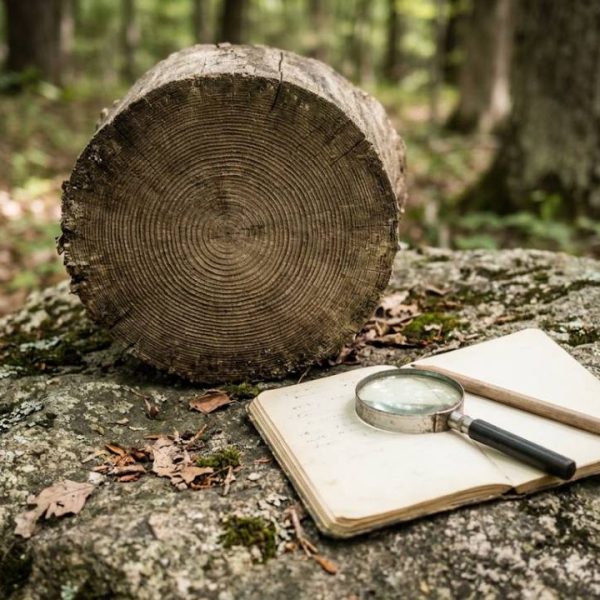
Earth keeps a diary. It is written in tree rings, ice cores, ocean sediments, and layers of rock, and scientists have learned to read it. The story it tells about past climates helps us understand the present. Yet most of that story reaches the public in only a handful of languages, which leaves hundreds of millions of readers outside the conversation.
This article explains how writers, museums, and research teams can explain climate history to readers in other languages without losing accuracy or wonder.
Why Translation Matters for Climate Knowledge
Climate change affects people everywhere, and many of the communities most exposed to it do not read English. Clear explanations in their own languages help them understand risks, join local decisions, and ask better questions of authorities. Knowledge that stays in one language is knowledge half used.
Major assessments such as those of the Intergovernmental Panel on Climate Change are published in several languages for exactly this reason.
Start With Plain Language
Scientific writing is full of long sentences, hidden assumptions, and specialist words. Before translation, rewrite the key explanations in plain language. Define terms like proxy, forcing, and paleoclimate the first time they appear, and use consistent wording after that. Clear source text produces clear translations.
Short paragraphs, simple graphs, and concrete examples help readers everywhere.
Protect Scientific Accuracy
Numbers, units, and uncertainty ranges must remain exactly right. A phrase like very likely has a defined meaning in scientific assessments, and a loose translation can overstate or understate confidence. Ask translators with scientific training to work on these texts, and have a subject expert review the result.
Build a Glossary for Each Language
Some terms have no established equivalent in smaller languages. Agree on translations with scientists, teachers, and local experts, and publish the glossary so that others can reuse it. Over time, shared vocabulary makes it easier for everyone to write about climate in their own language.
Reaching Bengali-Speaking Readers
Bangladesh and the Indian state of West Bengal are among the regions most affected by rising seas and extreme weather. Readers there benefit from accurate and accessible explanations of how climate has changed in the past and what that means for the future. Many organizations work with professional bengali translation services to produce reports, school materials, and public guides.
Manage Many Languages Efficiently
Museums and research teams often publish the same content in several languages and update it as new findings arrive. A shared system that stores texts, glossaries, and previous translations saves time and keeps versions aligned. This overview of the translation management system explains how such tools help teams coordinate the work.
Adapt Examples to Local Experience
A story about a Northern European lake may mean little to readers who live near deserts, deltas, or mountains. Add local examples where possible, such as monsoon records, glacier retreat in nearby ranges, or coral reefs. Explanations that connect to daily life are easier to remember and to trust.
Design Visuals for Every Language
Charts and diagrams carry much of the message. Make sure labels, legends, and captions are translated, and use editable files so that text can be replaced. Check color choices and symbols for cultural meaning, and avoid layouts that break when text becomes longer or switches direction.
Involve Teachers and Journalists
Educators and reporters multiply the reach of climate knowledge. Offer them translated fact sheets, glossaries, and short explainers they can use in classrooms and newsrooms. Ask for feedback, since they know which phrases confuse their audiences and which examples work.
Be Honest About Uncertainty
Climate history includes gaps, and good communication does not hide them. Explain what scientists know well, what remains uncertain, and how they find out. Translators need to preserve this balance, so give them context about why certain wording was chosen.
Test With Real Readers
Before publication, ask a small group from the target community to read the text and explain it back in their own words. Misunderstandings show where the wording needs work. A short test often prevents months of confusion.
Use Stories and Local Cases
Facts alone rarely move people. Short stories about real events, such as a drought that changed a harvest or a flood that rewrote a map, help readers remember what the science means. Collect cases from local scientists and communities, translate them carefully, and credit the people who shared them. Stories make data feel human, and they travel well across languages.
Support Open Access and Sharing
Whenever possible, publish translated materials under licenses that allow reuse by schools, nonprofits, and local media. Open access lets a good translation spread far beyond the original publisher, and it encourages others to create versions in languages that the project team cannot cover alone. Share glossaries and style notes as well, so that quality grows with every new edition.
Final Thoughts
The story of Earth's past belongs to everyone. By writing clearly, protecting accuracy, and working with skilled translators, scientists and communicators can share that story across languages, and help more people understand the changes shaping their future.